Couples Therapy
My Approach
What is couples therapy or relationship counselling?
If you are thinking of starting couples therapy it is important to ensure that you find a professional therapist who has the relevant training to work with couples. Couples therapy is very different to one to one therapy and requires a whole different set of credentials. I hold a professional qualification in working with couples through the Counselling Academy, which enables me to work appropriately and ethically, drawing on a skillset specifically required for couples work.
So much of our wellbeing centres around our relationship with ourselves and with others and so it is to be expected that most of our close relationships have their ups and downs. There are so many pressures on our lives and on our time, from financial pressure, family dynamics, parenting and general communication, that many couples can struggle and go through difficult times. Feeling secure, happy and connected in our relationships is central to our emotional wellbeing.
When couples come to me for counselling, it is often because these comforting feelings have been replaced with pain, conflict or a sense of detachment. I provide a safe and supportive space to think about and explore the source of this disconnection.
My approach to couples therapy is not to point the finger and blame, but to enable both parties to reconnect emotionally, to listen to their partner differently, to learn to communicate more effectively and where possible create a happier and healthier relationship for the future.
Who is couple or relationship therapy for?
Couples therapy is for those who genuinely want to make a difference in their relationship and within themselves.
It can offer a couple, or an individual, the space to explore their feelings and reflect on their relationship and patterns of thinking and behaviour that may have been formed.
It can help you resolve past relationship trauma and loss, and to help understand why you behave the way you do in relationships.
Couples therapy can be beneficial for all ages, genders, and sexual orientation and can be useful at all stages of a relationship, not just for those in crisis.

What problems can couples therapy help with?
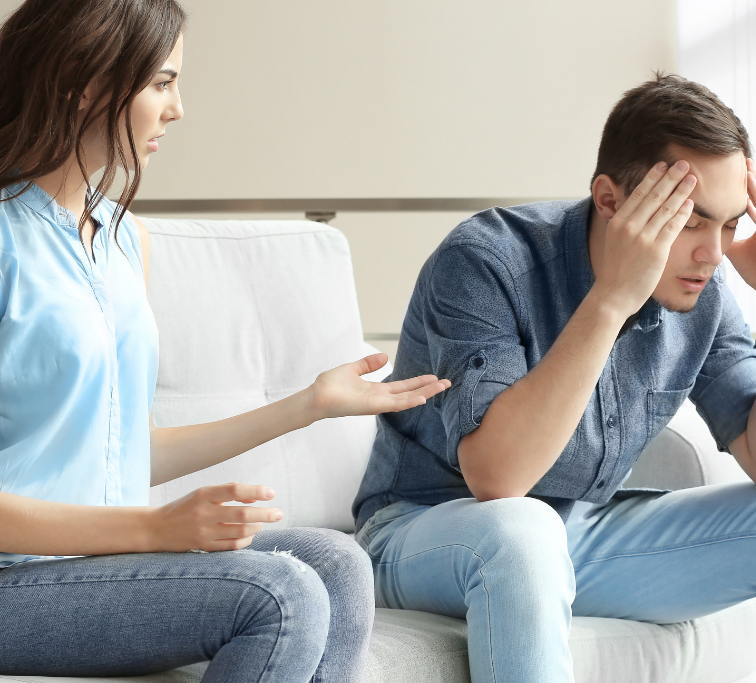
Couples come to me for help with a wide range of issues, from communication breakdown to trust, jealousy and infidelity issues. Sometimes the outside stressors are the start of a relationship in turmoil and learning ways to cope and to approach problems together can rebuild the bonds that originally brought you together.
Some common issues I have worked with couples for:
• Communication issues
• Conflict resolution
• Emotional disconnection
• Parenting styles
• Recovery from an affair
• Separation, relationship breakdown
How I work with Couples
In couples therapy I provide a safe and supportive space to explore your difficulties and with collaboration, help you find a way forward.
The way we behave in adult relationships can often be rooted in our past. An important aspect of couples therapy is examining the impact of the past on both individuals and looking at how we can disentangle it from the present.
Looking into the past could, for example, highlight that feeling unheard or unimportant is a familiar pattern from our childhood or past relationships. Making this connection doesn't excuse our partner's behaviour, but it can start to make sense of our reaction to it and ways to do so differently.
I can support you to understand how to communicate differently, to see one another again through a different lens. I believe that it's important to give you each the tools to better express yourselves and your needs, place boundaries and create a healthier relationship.
I am also trained in Discernment Counselling for those couples where one is leaning in and one is leaning out of the relationship, this is an alternative option to going straight into couple therapy. It involves 1-5 individual sessions with each partner to explore how the relationship reached this point. The goal of this is to establish at the end of this short process whether or not Couple Therapy could be a helpful way forward to get things back on track.
Parent coaching is also available to couples wishing to be more of a team in their parenting challenges, to help them to achieve new levels of emotional connection with their children and foster a stronger family unit.
Limitations to Couples Therapy
Sometimes, couples come to see me for counselling expecting it to fix their relationship, bring back the passion or make their partner change. It is true that counselling can help you understand yourself and your partner better, and provide helpful tools and guidance, but it can't change a person, nor can it repair a relationship if both parties aren't ready to put in the effort and commitment.
As a therapist I can assist in helping you to create a happy, healthy and secure relationship, but that must be what both individuals want, I can guide and help you to get there, but the couple must also be ready to do the work that's required. For some couples, the safest and healthiest option may be for them to separate. Couples counselling can be an important part of the process in determining if things can be repaired and helping to reach that decision.
Therapy won't remove the pain and heartache of a relationship ending, but it can be really impactful on the way in which it ends and how to navigate the journey through it, particularly where there are children involved.
Confidentiality
Contracting and confidentiality are crucially important in couples therapy. It is essential that we agree how we will work together, as all relationships are different, what works for one couple, may not suit another and so these conversations need to be clear and transparent from the beginning. I will work with you at the start of therapy to establish what you are comfortable with, both from me as the therapist and from each other.
For example, we will need to agree what happens if we decide that it is beneficial to have any individual sessions with either of you. This is sometimes useful to explore something within the relationship, it could be a personal issue for one of you, such as a bereavement or work problem that is affecting the relationship. Will what you discuss independently of your partner remain confidential or will I bring it into the joint sessions? These are things that we will agree at the start of therapy and will continue to look at and address as we go along.
We will also discuss what might happen to your records. For example, one partner cannot have access to their joint notes, or agree to release them to third parties such as a GP, without the consent of the other.
The role of couples therapy is to ensure that both parties feel safe, respected and involved in the process from beginning to end, we will work together collaboratively to ensure that is always the case.
In-person or online sessions?
There is no doubt that establishing rapport and building a successful therapeutic relationship is strengthened by in-person therapy, it allows for flow to the conversation and offers me the benefit of seeing your interactions and body language toward one another. However, online therapy offers the opportunity for more flexible scheduling, and the option of you both being able to attend the sessions if you are in different physical locations.
The positive outcomes of online couple therapy are no different to face to face. It can sometimes take a little longer to see results, but this way of connecting can make couple counselling more convenient, meaning you don't have to commute to sessions or book a babysitter if you are parents of young children.
The important thing is that you are both comfortable and even if we start one way, we can always change our way of working together if you decide that it would be better for you. I am happy to be flexible where I can to see what works best for you as a couple.